
Boulder City Council May 7th Regular Meeting


The May 7th City Council meeting included two public hearings that each play a different role in how Boulder evolves. One was a straightforward preservation decision. The other was a broader code cleanup that, while technical, touches a lot of moving pieces.
The Record:
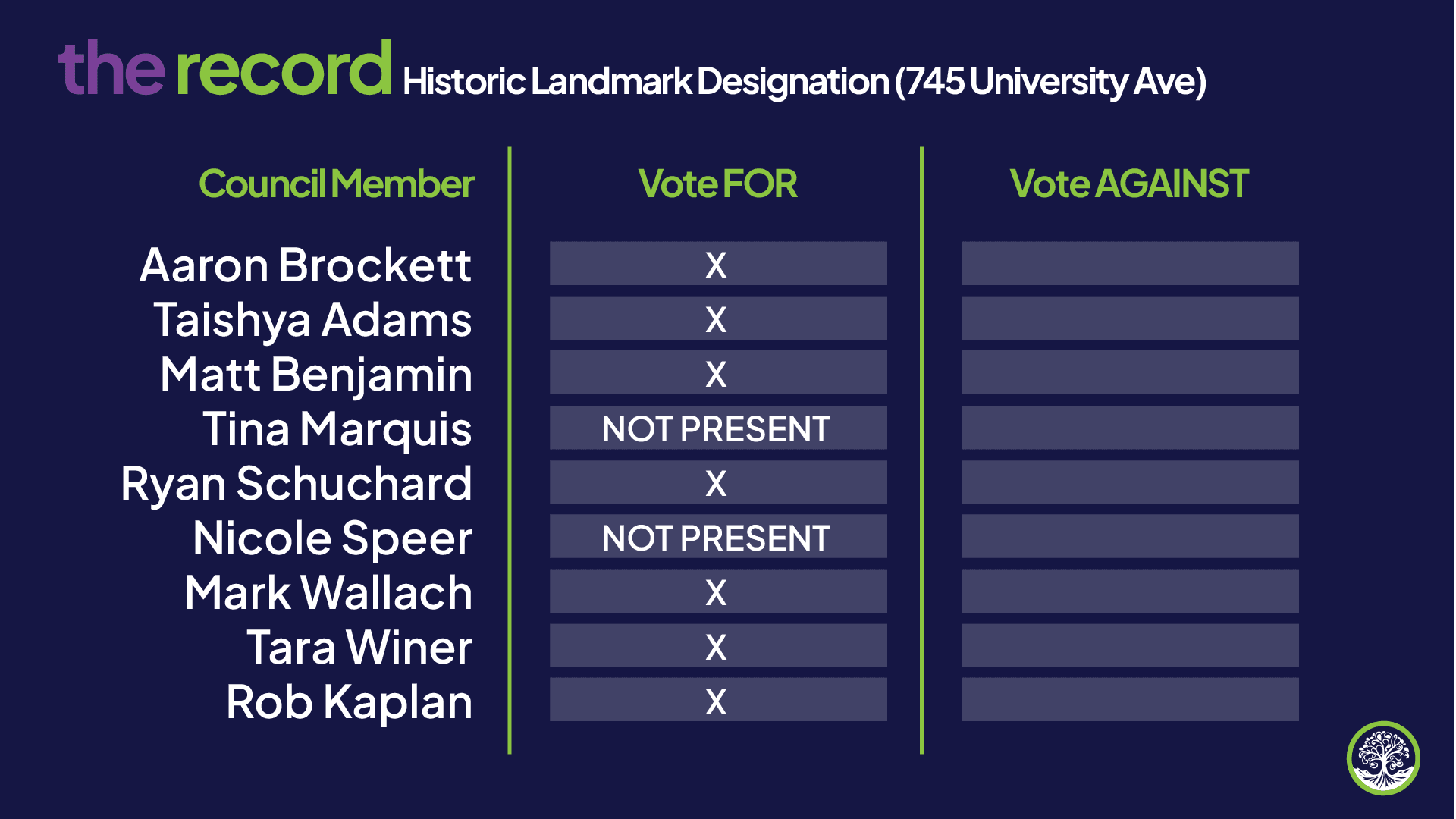
Public Hearing: Historic Landmark Designation (745 University Ave)
Date of vote: 5/7/2026
Outcome: Passed Unanimously
Classification: Procedural
What Happened
Council held a public hearing to designate the property at 745 University Avenue as an individual historic landmark under Boulder’s preservation code. The process followed the standard quasi-judicial format with staff presentation, public comment, and council deliberation. Council ultimately approved the designation.
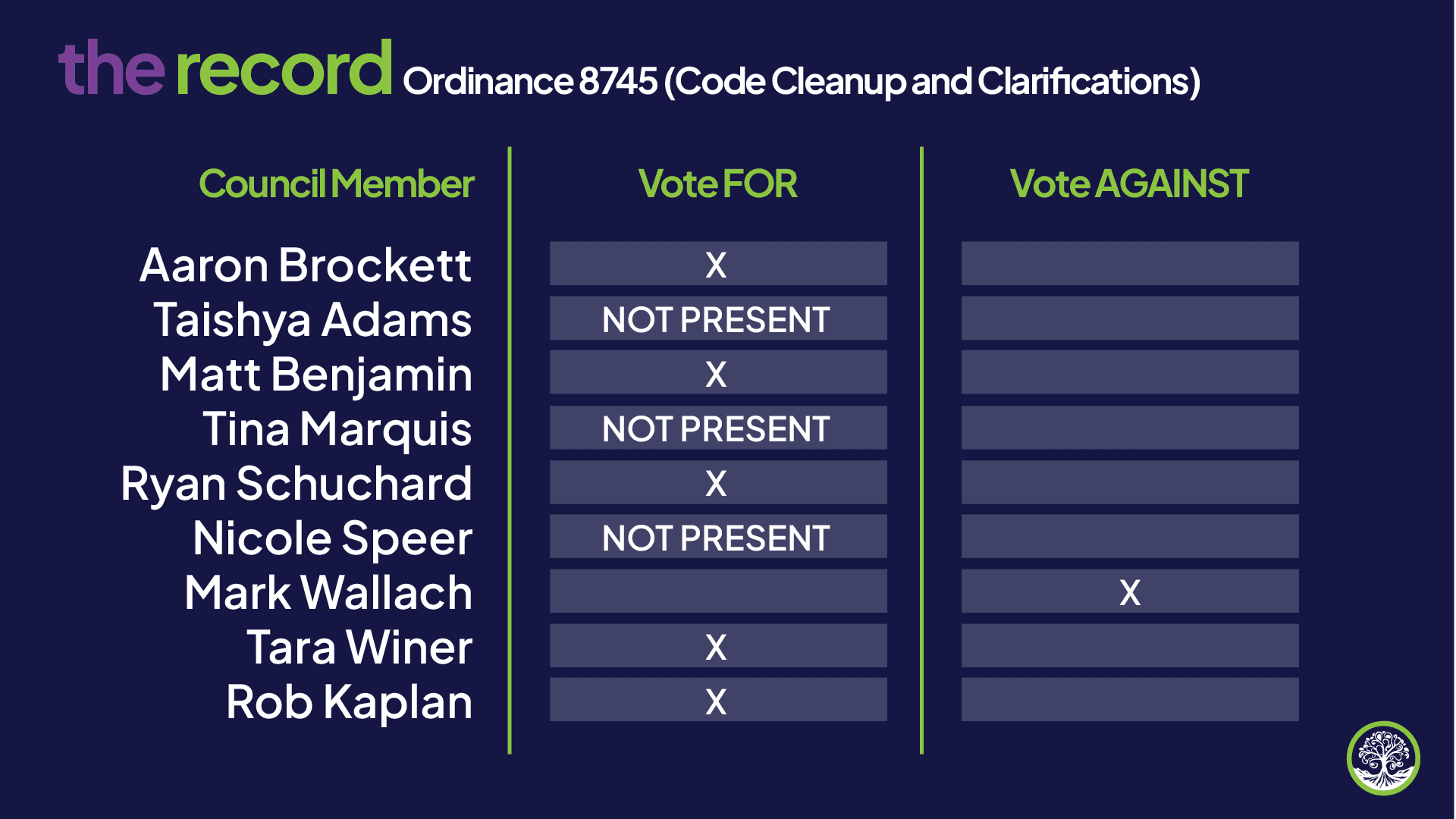
Public Hearing: Ordinance 8745 (Code Cleanup and Clarifications)
Date of vote: 5/7/2026
Outcome: Passed 5-1
Classification: Density
What Happened
The second public hearing was the second reading and consideration of Ordinance 8745, which amends multiple sections of city code, including:
- Title 7 (Vehicles, Pedestrians, and Parking)
- Title 9 (Land Use Code)
- Title 10 (Structures)
The purpose of the ordinance is to:
- Fix errors in existing code
- Clarify language
- Adjust certain standards related to height, use, and form
This is what’s often referred to as an “omnibus” or “code cleanup” ordinance. It doesn’t introduce one major policy shift, but instead bundles a series of smaller technical changes across the code. Some notable updates discussed:
Use Table and Standards
The use table was updated seven years ago to include a combined floor area limit, driven by concerns about too much office space in business districts. In practice, this has created a significant administrative burden for small businesses trying to obtain licenses. Staff recommended removing this requirement.
Accessory Dwellings
Clarifies utility requirements for accessory dwelling units (ADUs).
AMPS Parking
Allows parking in an existing driveway when a garage is converted to living space.
Site Review / Height Modifications
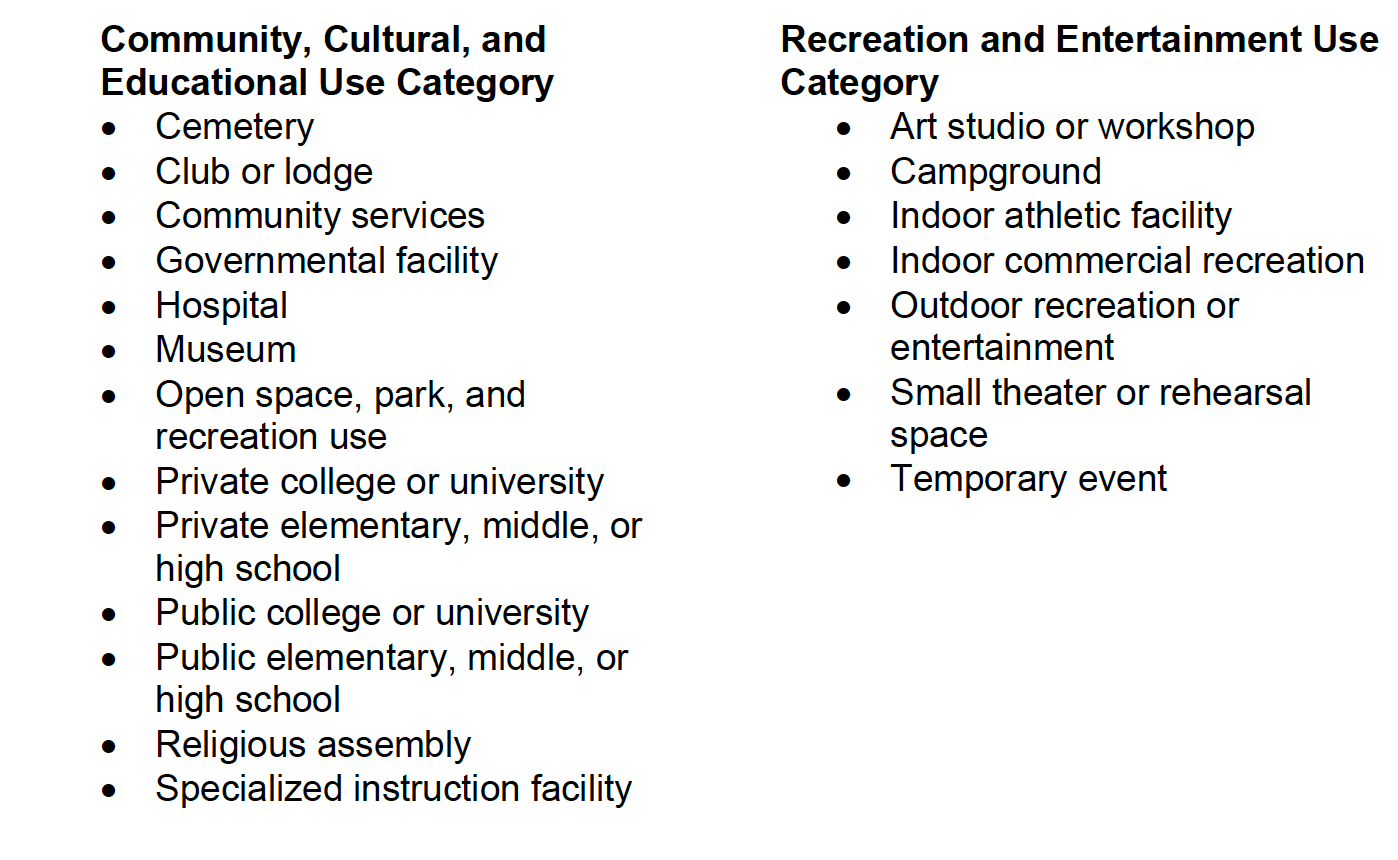
Expands eligibility for height modification requests for three-story buildings. This amendment would allow for applications to increase building height from 38’ to 55’. There are currently nine categories that qualify for consideration; this adds a tenth for Community, Cultural, Educational, Recreation, and Entertainment uses. Here is the breakdown of the new structures that could apply for a height limit modification under this change:
What It Means
Landmark Designation
Historic designation decisions are permanent. Each one incrementally shapes:
- Preservation of Boulders history
- Character of existing neighborhoods
- The balance between preservation and future growth
Even when they move forward without much debate, they are long-term land use decisions.
Ordinance 8745
This is where things get more nuanced. Boulder has adopted roughly 25 land use code amendments over the past five years. Staff works on the amendments to the code which is part of an ongoing process as the city responds to real-world implementation and feedback. These updates adjust development standards that remove friction points or, in some cases, introduce new ones. Here is a list of the 25 amendments over the last five years:
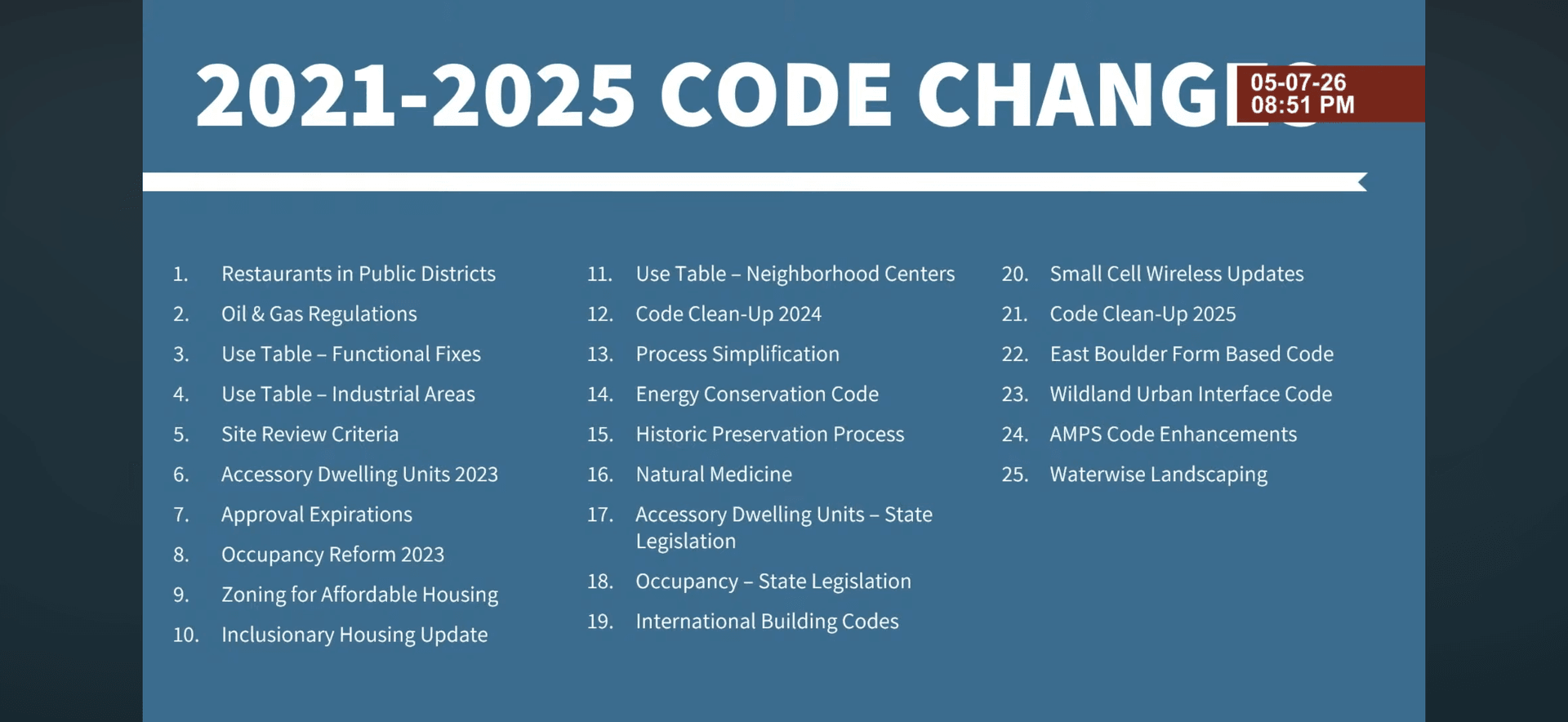
When the city proposes these changes in this format, where everything is bundled together, it can be difficult to fully evaluate the impact of each individual change.
Jenny’s Take
On the first public hearing, I’m aligned with council.
This was a straightforward application of the historic preservation process. The criteria were met, the process worked as intended, and these designations help protect the character of existing neighborhoods.
On the second public hearing, I’m aligned with Mark. Not because code cleanup isn’t important, it is, but because of how these packages function in practice. Bundling a wide range of changes into a single ordinance makes it easier to move them forward without fully vetting each one. Some are truly clerical. Others have meaningful policy implications.
The height modification change is a good example. Expanding the categories eligible to move from 38’ to 55’ significantly broadens where that increase can occur. In my view, the range of uses included here is too broad for something presented as a technical update.
When Mark asked why this was being brought forward as part of a code cleanup, the response from staff was fairly vague. That’s a signal worth paying attention to. A “cleanup” ordinance can quietly shape how the land use code operates going forward. I think it’s reasonable to slow down just enough to make sure each change is doing exactly what we intend.
In this case, while I agree with the majority of the code changes, I would have preferred pulling the proposed amendment to 9-2-14(b) out of Ordinance 8745 and directing staff to bring it back as a separate work plan item for more focused discussion.
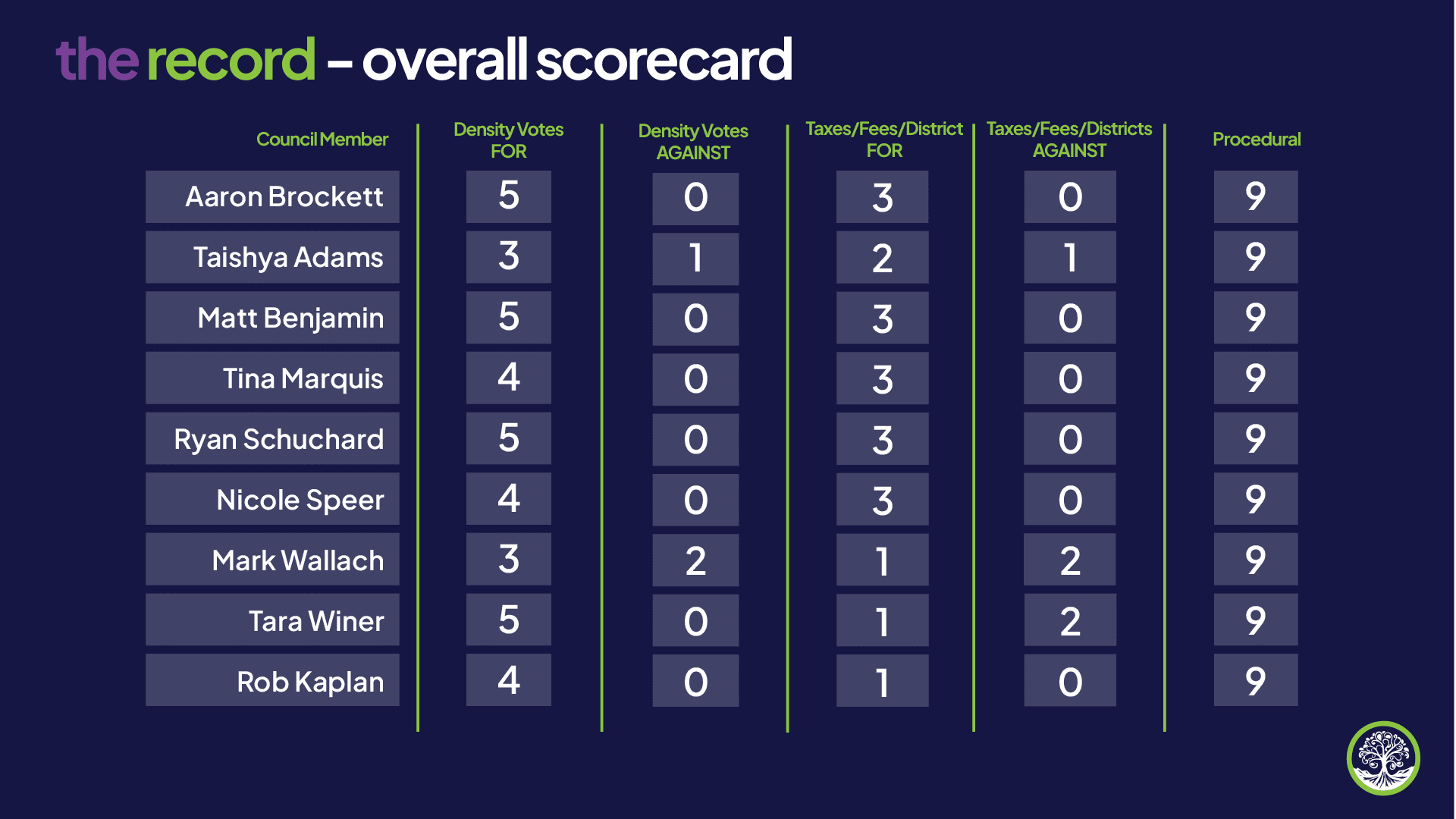
The Scorecard
The scorecard is the main tracker for major votes from each Council meeting. It will be updated every other week to keep you current on how Council decisions are shaping Boulder.
Thank you for reading!
Jenny
Founder, Jenny on the Record